

0 item(s)
View cart
You have no items in your shopping cart.

Badminton players often focus heavily on choosing the right racket, shoes, or strings, but the shuttlecock has an equally massive impact on how the game feels. And this is where many players get confused.
Should you play with feather shuttlecocks or nylon shuttlecocks? At first glance, they may look similar, but the playing experience, flight pattern, durability, feel, and overall performance are completely different.
Consider Alex, a 19-year-old club player, who had been grinding for two years to break into his state-level squad. His footwork was sharp, his smash was powerful, and his coach had no complaints about his technique. But in every trial match, his net drops were either floating too high or dying too quickly, or his clears kept falling short. He couldn't understand why. He practiced six days a week without any success. What was going wrong?
The answer turned out to be sitting in his kit bag the whole time.
Alex had always trained exclusively with nylon shuttlecocks because they were cheaper and lasted longer at his local court. But the state trials were played with feather shuttles. The moment he switched, everything felt alien. The shuttle was leaving his racket faster than he expected, the flight arc was tighter, and the deceleration near the back of the court was sharper.
His entire sense of timing was calibrated to a completely different shuttle. He wasn't a bad player. He was simply a player who had never learned to read how a feather shuttle actually moves.
It took Alex three weeks of deliberate practice with feather shuttles before his game clicked back into place. Those three weeks taught him something no coaching session ever had.
Choosing the wrong shuttlecock can affect your timing, shot quality, control, and even your improvement as a player. Let's understand the real differences between feather and nylon shuttlecocks and how to choose the right shuttle for your game.
Feather shuttlecocks are made using natural feathers attached to a cork base. Most high-quality feather shuttles use goose feathers, while more affordable options commonly use duck feathers.
These shuttlecocks are used in:
Feather shuttles are preferred because they offer:
Not all feather shuttlecocks are the same. Let's understand how goose-feather shuttlecocks differ from duck-feather birdies.
Goose feather shuttles are considered premium. They are commonly used in tournaments because they provide better durability, a consistent flight pattern, and improved recovery after impact.
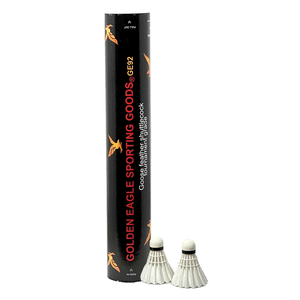
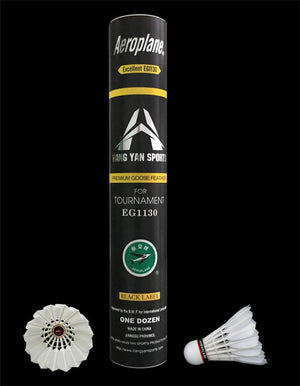
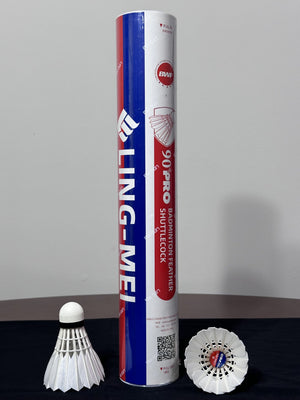
Duck feather shuttlecocks are usually more affordable and suitable for practice or recreational games. Compared to goose feather shuttles, they may lose flight consistency sooner and feel slightly less stable.
However, they remain a good option for intermediate players or training sessions.
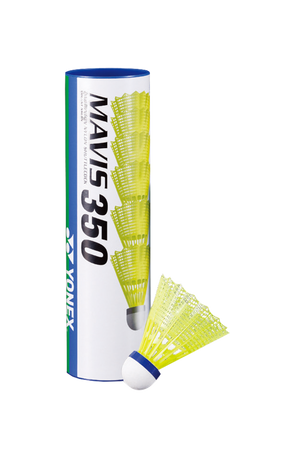
Nylon shuttlecocks, also called plastic shuttlecocks, are made using synthetic materials with a cork or foam base.
They are designed mainly for beginners and recreational players who indulge in long practice sessions. The biggest advantage of nylon shuttlecocks is durability. A single nylon shuttle can last significantly longer than a feather shuttlecock, making them more economical for casual players.
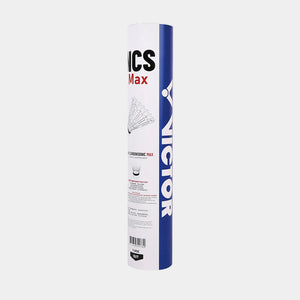
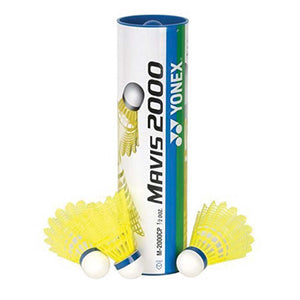
Here's a quick comparison to help you make the decision:
|
Feature |
Feather Shuttlecock |
Nylon Shuttlecock
|
|
Flight Accuracy |
Excellent |
Moderate |
|
Control |
Superior |
Average |
|
Durability |
Lower |
Higher |
|
Smash Feel |
Crisp & Natural |
Slightly Heavy |
|
Net Play |
Excellent |
Less Responsive |
|
Cost |
Higher |
Affordable |
|
Best For |
Competitive Play |
Beginners & Practice |
|
Outdoor Use |
Not Recommended |
Better Option |
|
Tournament Use |
Yes |
Rarely |
|
Weather Sensitivity |
High |
Low |
Flight Difference Between Feather and Nylon Shuttlecocks: One of the biggest differences is how the shuttles travel through the air.
This creates a smoother and more accurate playing experience. Advanced techniques, including slice drops, net tumbles, deceptive shots, and controlled clears, work significantly better with feather shuttlecocks.
Nylon shuttlecocks behave differently.
They:
This changes timing and shot feel. Players switching from nylon to feather often notice that feather shuttles feel much faster and more precise.
Find answers to common questions and learn how to make a successful buying decision.
For most beginners, nylon shuttlecocks such as Yonex Mavis 350 and Mavis 2000 are usually the better starting point because they are more forgiving during mishits, durable, affordable, and low maintenance. However, players who plan to improve seriously should eventually transition to feather shuttlecocks.
Learning with feather shuttles helps intermediate and advanced players develop better timing, proper shot technique, and improved control. If you regularly play club matches or tournaments, feather shuttlecocks like BWF-approved GE92 feather shuttles, LingMei 90 Goose feather shuttles, and Aeroplane EG3110 are strongly recommended.
Professional badminton relies heavily on precision, control, and deception. Feather shuttlecocks support all of these. They ensure better directional accuracy & response and a predictable trajectory.
To maintain consistent playing standards at the highest level, the Badminton World Federation (BWF) approves specific shuttlecocks that meet strict performance and quality standards. This is why professional players and international tournaments exclusively use BWF-approved feather shuttlecocks.
Yes. Nylon shuttlecocks are significantly more durable than feather shuttlecocks. A nylon shuttle can often survive multiple sessions, while feather shuttlecocks may need replacement after intense rallies or a single game at higher levels.
Yes. Nylon shuttlecocks fly differently and often stay in the air longer. If you are preparing to play the game professionally, it is best to switch to feather shuttlecocks because they offer better control and timing.
Many experienced players feel that nylon shuttlecocks place slightly more stress on the arm and shoulder because they feel heavier during impact.
Badminton is essentially an indoor game. And, feather shuttlecocks are not ideal for outdoor play because the wind easily affects their flight. However, nylon shuttles are heavier and can prove to be useful. Recent models like Victor New Carbosonic Pro and Victor AirShuttle II can be ideal for outdoor play.
For casual training, nylon works well. For advanced skill development and tournament preparation, feather shuttlecocks are better.
There is no single “best” shuttlecock for everyone. The right choice depends on your skill, budget, playing frequency, and training goals.
The honest answer depends on where you are in your badminton journey. If you are just starting, playing casually, or training on a tight budget, nylon shuttlecocks are a perfectly sensible choice. They are durable, consistent, and forgiving enough to let you focus on building the basics without burning through your wallet.
But if you are serious about improving, feather shuttlecocks are not a luxury. They are a necessity. The flight and the feel of feather birdies cannot be replicated with nylon shuttlecocks.
What's the smartest approach? Use nylon when you are drilling footwork, doing fitness work, or playing casual evening games. Switch to feathers when you are doing match practice, working on touch shots, or preparing for competition.
Ultimately, the shuttlecock is not just a passive object you hit, but it shapes how you read the game, time your shots, and develop your instincts. Choose it with as much thought as you would give your racket.
Because, in badminton the shuttle does not just follow your game but defines it.